
Can AI really help you with your home refurbishments?
Whilst is will probably be a while (though who knows??) until AI can replace our pipes or apply paint to our walls, AI’s power and potential in everything from visualization to planning to inspiration and budgeting are all very readily available right now, providing a much needed helping hand in the refurbishment process.
Interior design has always been a blend of creativity, functionality and personal expression with much time spent looking at samples, visiting showrooms and creating mood boards. These are still an essential part of enjoying the refurbishment process, but how can AI help us to streamline these processes to make design more accessible, personalized and efficient?
1. Personalized design
One of the most powerful ways AI helps in interior design is through personalisation. Its systems can analyse your preferences such as the colours you like, furniture styles you save, layouts you engage with—and generate design suggestions tailored specifically to your taste.
Instead of browsing endlessly for inspiration, you can receive curated recommendations which reflect your personality. Whether you prefer minimalism, rustic charm or bold modern aesthetics, AI can quickly learn your style and refine its suggestions over time.
2. Virtual room visualization
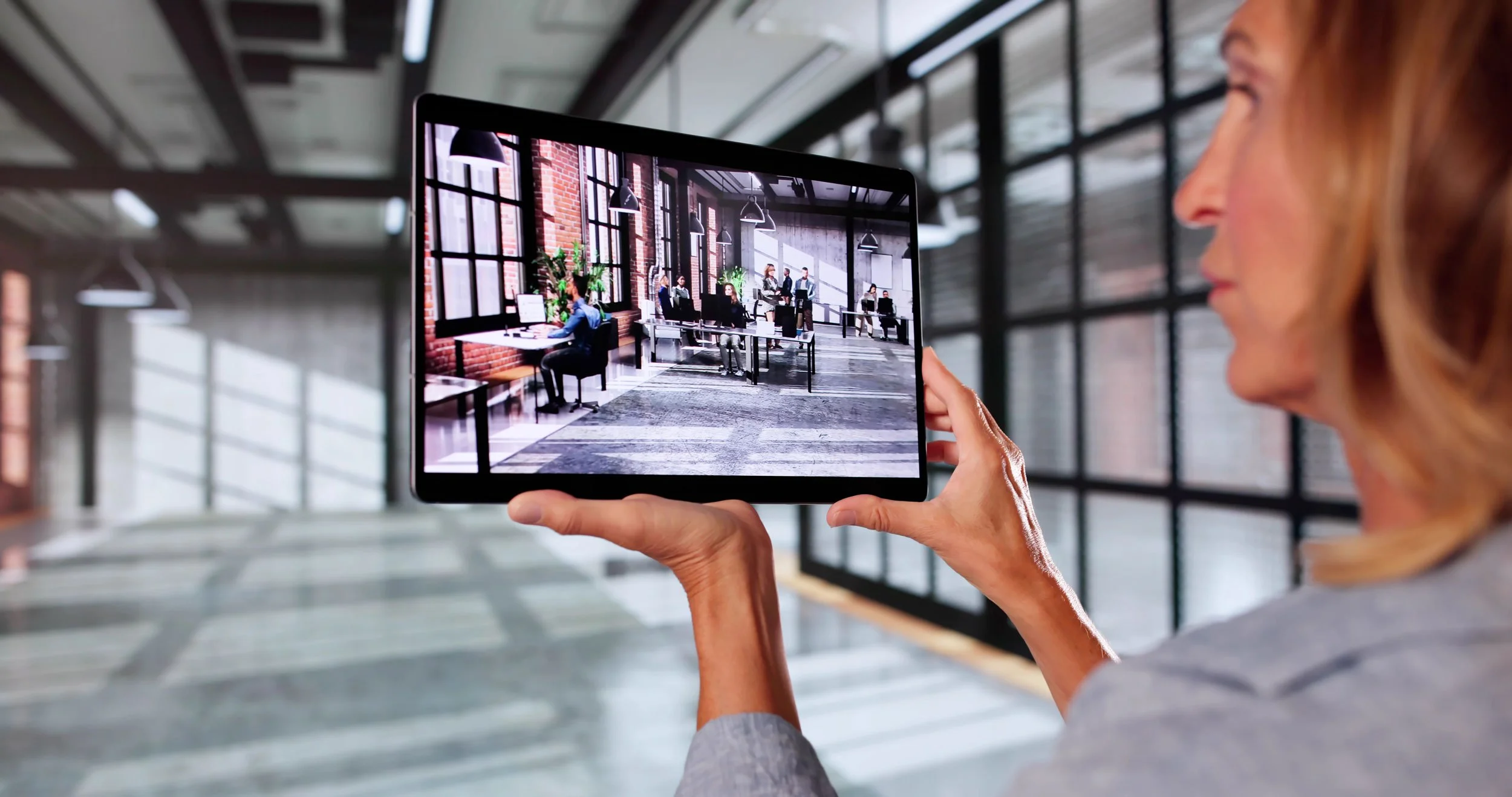
AI-powered visualisation tools allow you to see how a space will look before making any physical changes. By uploading a photo of your room, you can experiment with different furniture, colour schemes, lighting setups, and layouts. Market leading paint suppliers such as Farrow and Ball and Dulux offer innovative visualisation products where you can upload your very own rooms and play around with their colours reducing the risk of costly mistakes. You no longer have to guess whether a sofa will fit or if a paint colour will clash—AI shows you the outcome instantly. It’s like having a digital twin of your room where you can test ideas freely.
3. Space planning made easy
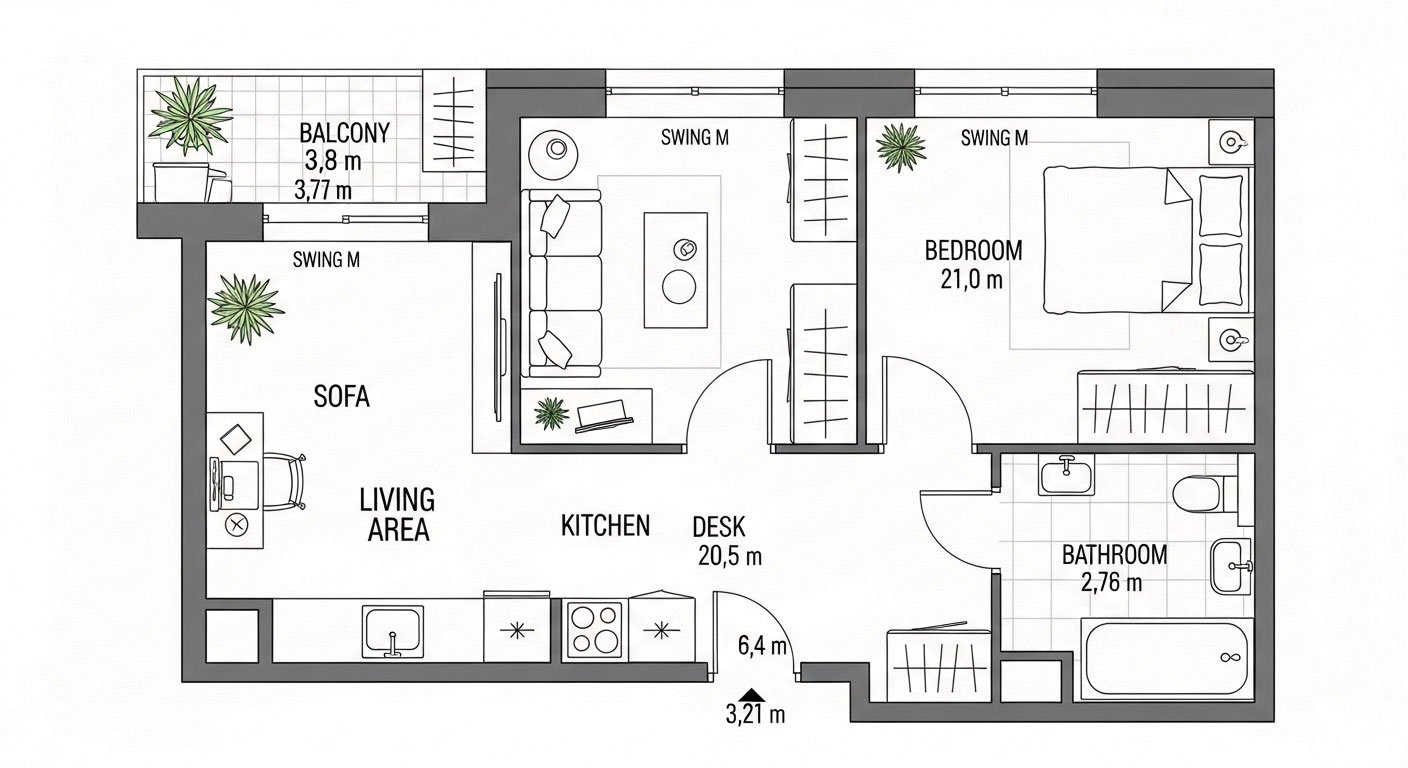
Designing a room isn’t just about aesthetics—it’s also about functionality. AI can analyse room dimensions and suggest optimal furniture placement to maximise space, improve flow and enhance usability.
For smaller homes or flats, this is especially valuable. AI can recommend multi-functional furniture, storage solutions and layouts which make the most of limited space without compromising style.
4. Quick sharp
Interior design often involves countless decisions—materials, colours, textures, furniture and decor. AI simplifies this process by narrowing down choices based on your goals and constraints.
For example, if you’re working within a budget, AI can suggest affordable alternatives which match your desired look. If sustainability matters to you, it can recommend eco-friendly materials and products.
5. Inspiration not overload
Scrolling through design platforms can sometimes feel overwhelming. AI filters through vast amounts of data to present only the most relevant ideas, saving time and reducing decision fatigue.
It can also introduce you to styles or combinations you might not have considered, expanding your creative horizons while still aligning with your preferences.
6. Collaborate with the pros
AI doesn’t replace interior designers—it enhances their work. Designers can use AI tools to generate concepts quickly, test multiple ideas and present clients with realistic previews.
This leads to better communication between clients and designers, as ideas can be visualised clearly from the start. The result is a more efficient design process and a higher level of satisfaction.
7. On point budgeting
AI can help track costs, suggest budget-friendly options and even estimate project expenses. By analysing market data, it can recommend where to spend and where to save. This ensures that your design vision stays within financial limits while still achieving a polished, cohesive look.
8. Keep it smart
Modern interior design increasingly overlaps with smart home technology. AI can suggest layouts which integrate seamlessly with smart lighting, climate control and voice-activated systems.
This creates spaces that are not only beautiful but also intelligent—adapting to your lifestyle and enhancing everyday comfort.
The interior design AI revolution is here. Whether you’re redesigning a single room or planning an entire home, AI tools can guide you through the process with confidence.
The future of interior design lies in this collaboration between human creativity and machine intelligence. With AI handling the heavy lifting—data analysis, visualisation,