
Phew, what a scorcher! 9 ways to keep your home cool while the sun beats down:
When a UK heatwave hits, most homes feel completely unprepared. Many British properties were designed to retain warmth, not release it — great in winter, less enjoyable when bedrooms feel stuffy and living rooms trap heat long after sunset.
The good news? You don’t always need air conditioning to make a noticeable difference. Smart interior design choices can help keep your home cooler, brighter, and more comfortable during warmer months. From fabrics and layouts to colour palettes and window treatments, here are practical ways to cool your interiors without sacrificing style.
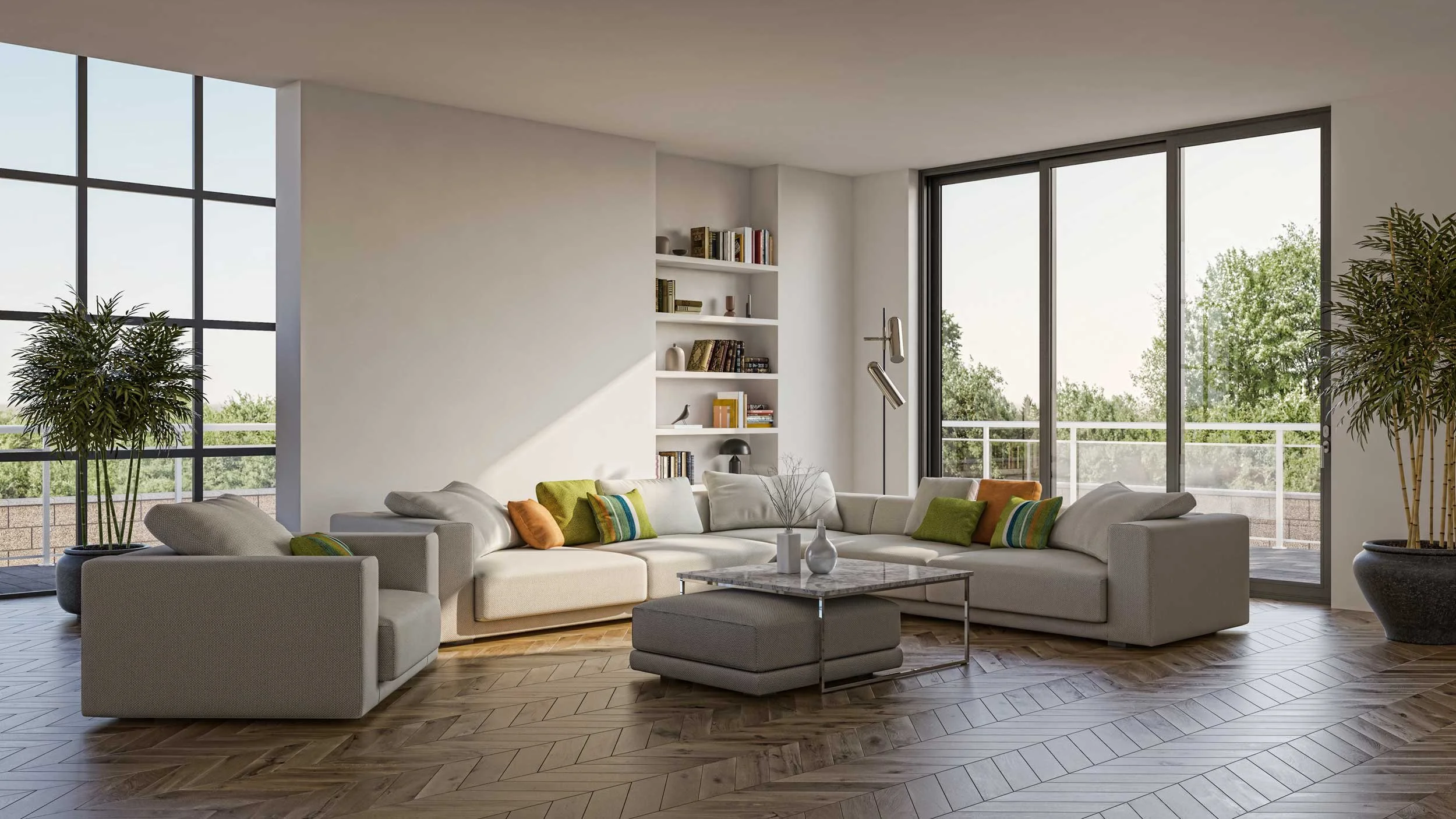
1. Switch to light, breathable fabrics
Heavy textiles trap warmth. Thick velvet curtains, wool throws, dense upholstery, and layered bedding can make rooms feel hotter than they really are.
For summer, consider swapping to breathable natural fibres such as cotton or linen. Lightweight curtains allow airflow while still offering privacy and crisp cotton bedding feels noticeably cooler at night.
Simple changes include:
Replacing heavy duvet covers with lightweight cotton alternatives
Switching thick throws for linen or waffle textures
Choosing breathable cushion covers instead of plush fabrics
Using light rugs or rolling up dense winter rugs altogether
Think of your home like your wardrobe: what feels cosy in January may feel oppressive in July.
2. Rethink your window dressings
Windows are one of the biggest culprits for overheating interiors, especially south-facing rooms that receive strong afternoon sunlight.
The instinct is often to throw open curtains all day, but during peak sun hours this can actually heat a room faster.
Instead:
Keep blinds or curtains closed in direct sunlight
Choose thermal or blackout linings in bedrooms to reduce heat gain
Use light-coloured curtains that reflect sunlight rather than absorb it
Layer sheer curtains to soften glare while maintaining brightness
Closing curtains before the hottest part of the day can dramatically reduce indoor temperatures.
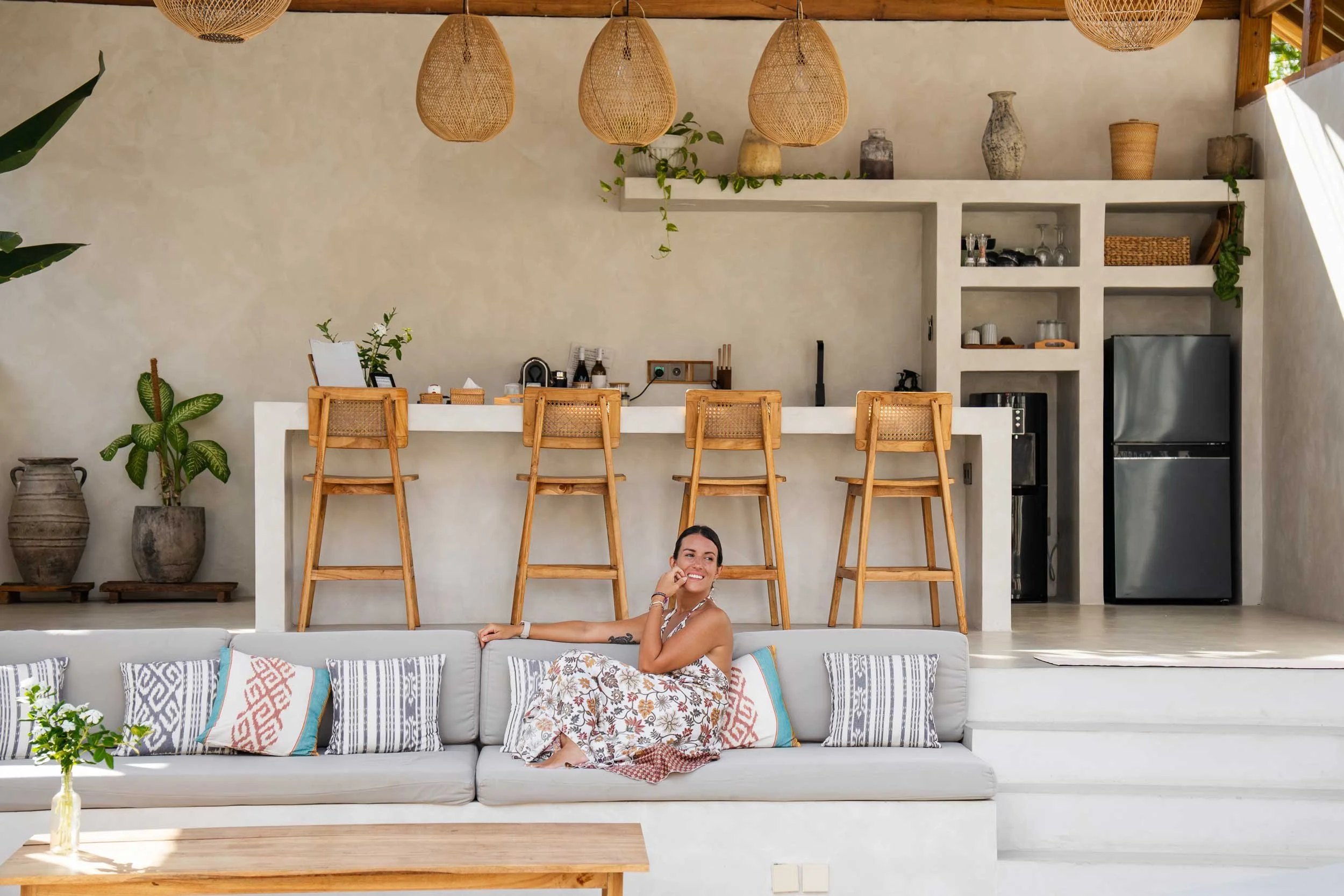
3. Embrace a cooler colour palette
Dark interiors absorb heat and can psychologically feel heavier in warm weather. A seasonal refresh doesn’t require repainting entire rooms — even small styling adjustments can change how cool a space feels.
Consider introducing:
Soft whites
Pale greys
Sand and stone tones
Cool greens
Muted blues
Lighter tones reflect natural light and create a visual sense of freshness. Swapping dark accessories for lighter cushions, throws, artwork or table décor can instantly shift the atmosphere.
4. Rearrange furniture for better airflow
It’s easy to overlook layout, but furniture placement affects ventilation more than people realise.
Large sofas pushed directly against radiators, blocked windows or crowded corners can interrupt airflow and make rooms feel stagnant.
Try:
Pulling furniture slightly away from walls
Keeping pathways between windows clear
Avoiding oversized decorative clutter near vents or airflow routes
Creating more open floor space in frequently used rooms
Even subtle adjustments can help air circulate more freely.
5. Introduce cooling natural materials
Certain materials naturally feel cooler and lighter indoors.
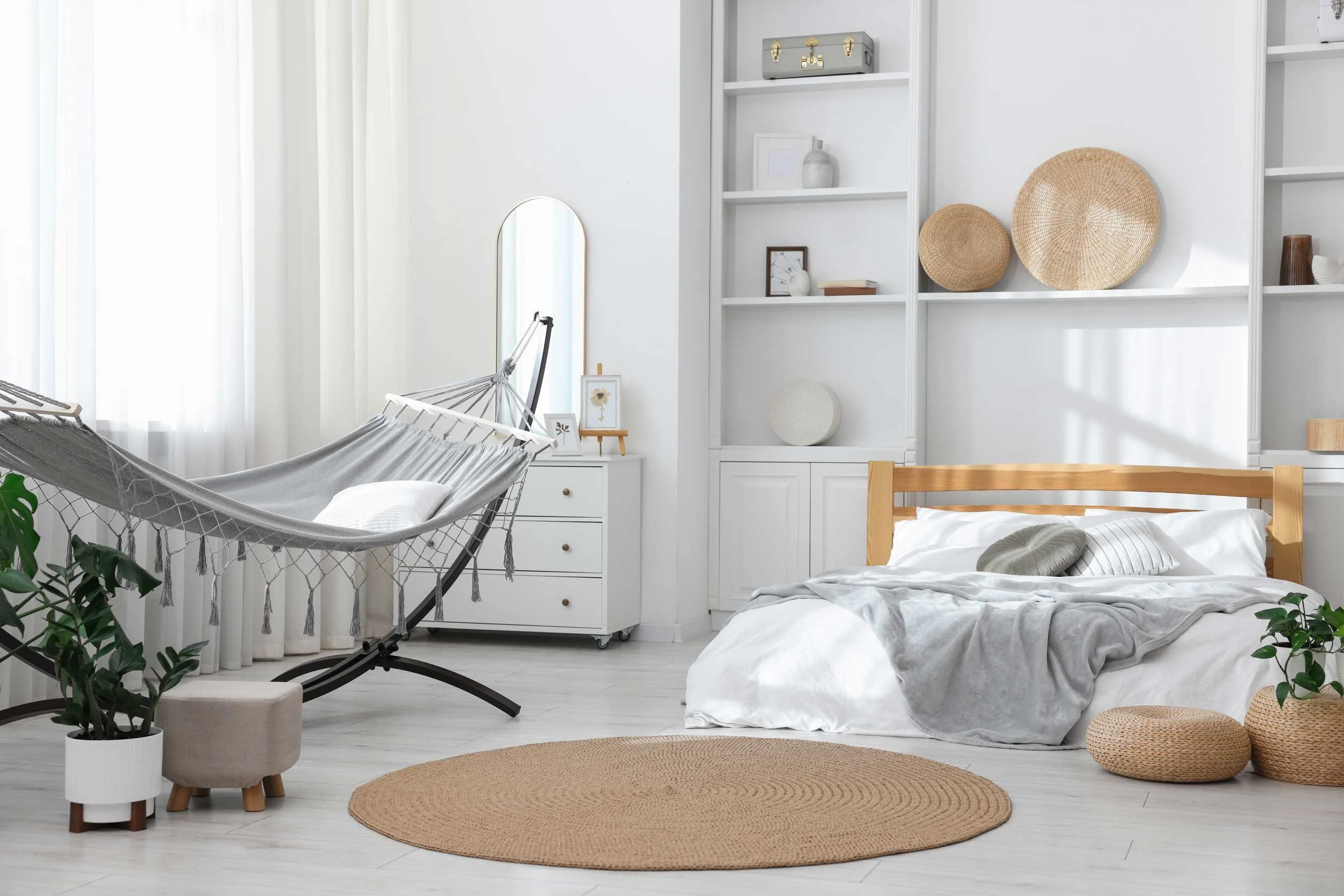
Glass, rattan, linen, cotton, light woods, bamboo and ceramics tend to create an airy atmosphere compared with darker, heavier finishes.
For example:
Swap chunky dark accessories for ceramic décor
Introduce woven baskets or rattan accents
Style coffee tables with glass instead of dense visual clutter
Use breathable bedding and upholstery textures
Interior design isn’t just visual — texture changes how a room feels physically.
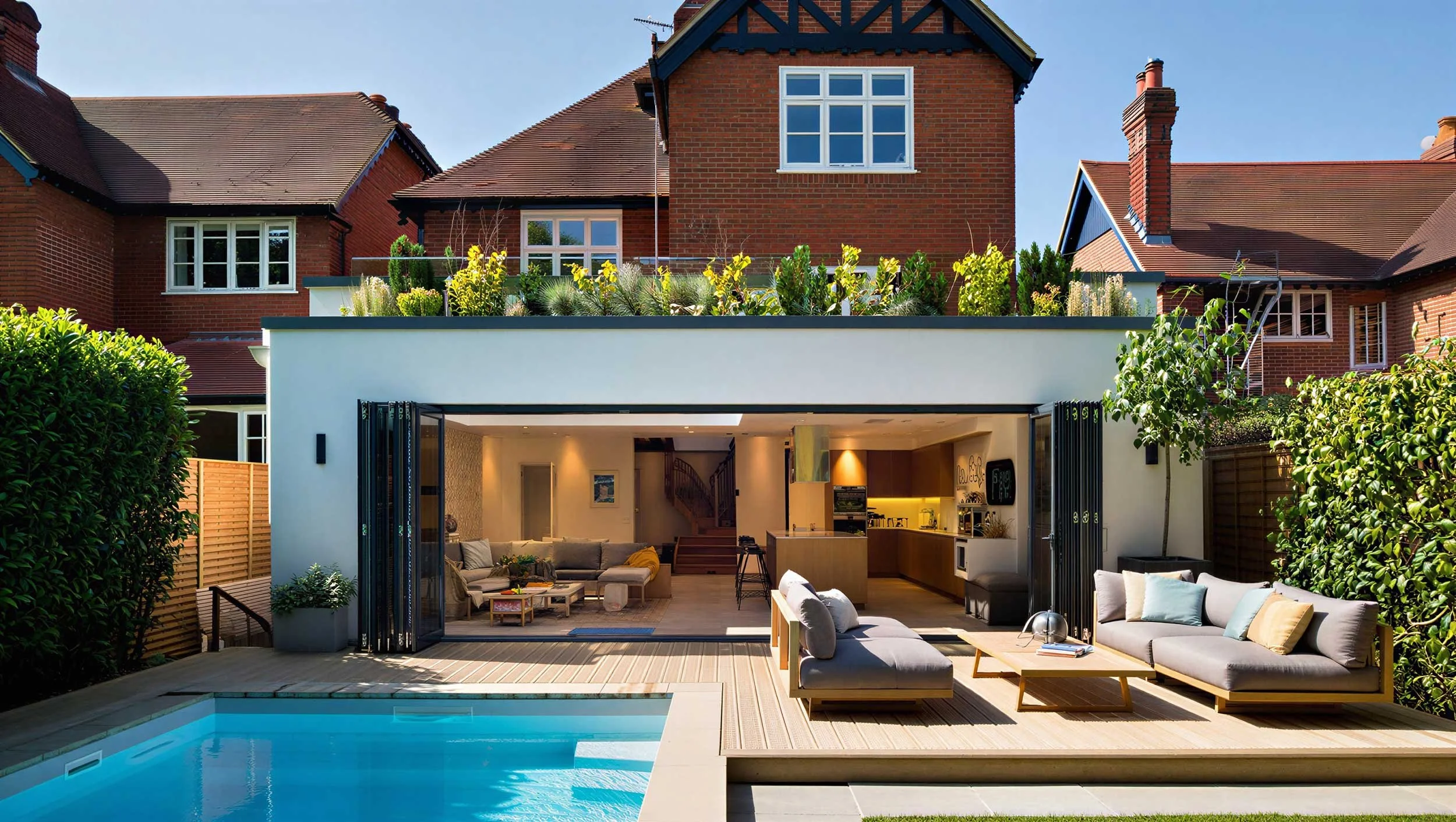
6. Bring in houseplants (strategically)
Plants won’t magically reduce room temperature, but they can improve comfort and freshness while softening stuffy interiors.
Choose greenery that suits indoor conditions and avoid overcrowding rooms with oversized plants that block light or airflow.
Good placement ideas include:
Near windows (without blocking ventilation)
On shelves rather than floor-heavy clusters
In naturally bright kitchens or living rooms
The goal is freshness, not a jungle.
7. Layer lighting more carefully
Many UK homes still rely on warm-toned bulbs and strong overhead lighting, which can make interiors feel visually warmer during summer evenings.
Instead:
Use lower-intensity lamps
Switch to cooler or daylight-balanced bulbs where appropriate
Avoid unnecessary heat-producing lighting in unused rooms
Rely on natural daylight during the day
The atmosphere of a room matters just as much as the temperature itself.
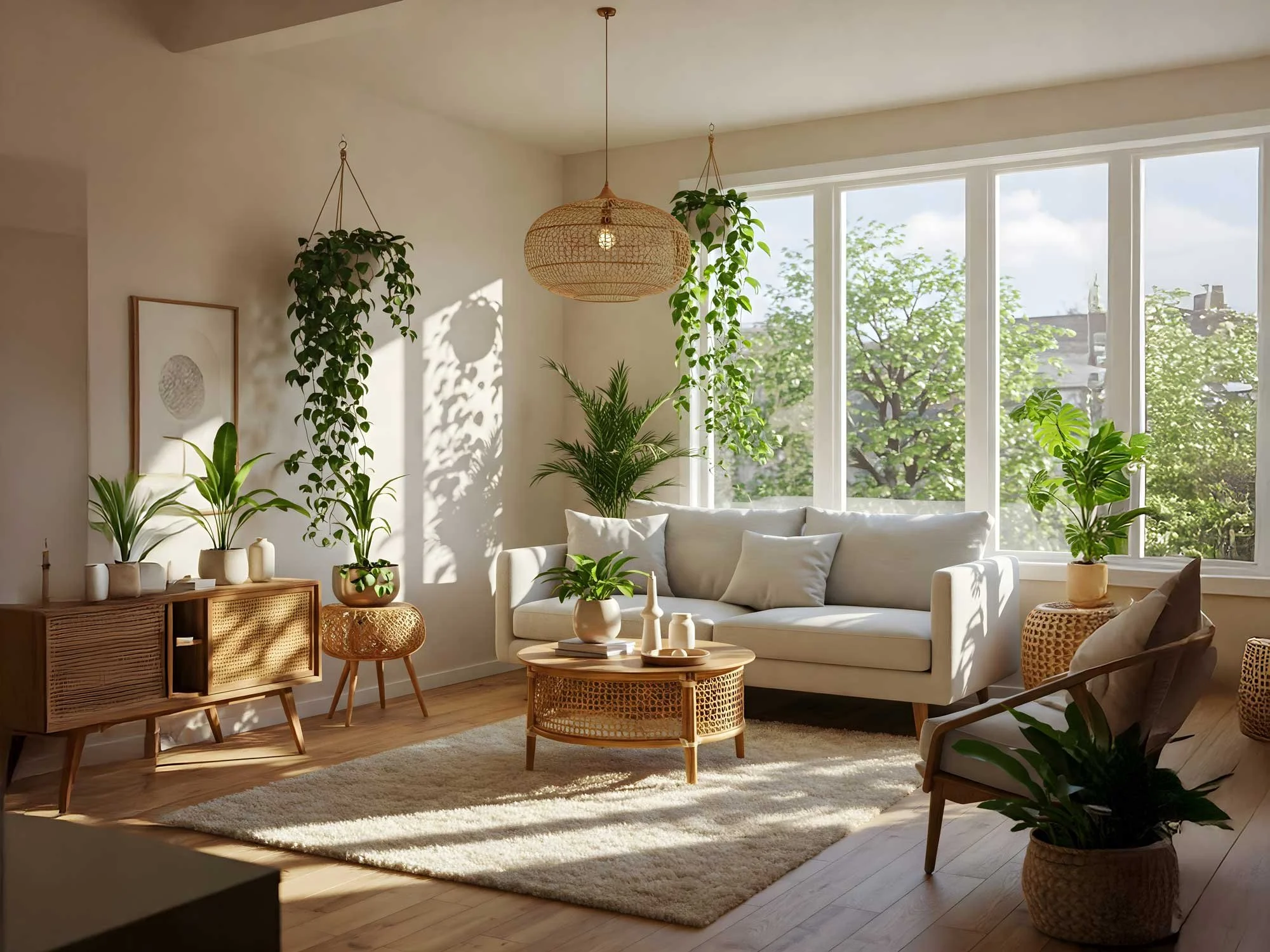
8. Declutter for a lighter feel
Overfilled rooms feel hotter.
Visual clutter can make interiors feel dense and enclosed, particularly in smaller British homes or flats.
A quick summer refresh might mean:
Clearing crowded surfaces
Reducing decorative excess
Storing heavy seasonal accessories
Making windows feel visually unobstructed
Minimal doesn’t have to mean empty — just breathable.
9. Make bedrooms a cooling priority
Sleep suffers first in hot weather, so focus effort here.
A cooler-feeling bedroom might include:
Lightweight bedding
Blackout curtains to reduce daytime heat build-up
Cotton sheets instead of synthetic fibres
Less layering and visual heaviness around the bed
A bedroom that feels airy during the day is far easier to sleep in at night.
Final thoughts
Keeping a UK home cool is often less about expensive gadgets and more about smart styling decisions. By adjusting fabrics, layouts, colours, lighting and airflow, you can make interiors feel significantly more comfortable - even during the warmest weeks of the year.
The best part? Most of these changes are affordable, reversible, and stylish. A cooler home doesn’t have to look clinical — it can still feel warm, inviting, and beautifully designed, just without the trapped summer heat.